FILTRATION & PURIFICATION
Filtration & Purification
Protect your process from the contamination that holds it back. Connect the contaminant, operating conditions and required outlet quality to a suitable filtration or separation approach.
Connect with your local team
Choose your location to discuss product selection and application support. Availability varies by branch.
START WITH THE APPLICATION
Identify the
contaminant first.
Short filter life, rising pressure loss and off-spec product can point to different separation problems. Identify whether the unwanted material is a particle, a liquid droplet, vapor or dissolved material. Then define the outlet quality the process needs.
Backwash, blowback and self-cleaning systems
Regenerable designs remove collected solids through a cleaning cycle. Evaluate contaminant behavior, cleaning utilities and waste handling as well as throughput. Whether flow continues during cleaning depends on the selected configuration.
Cartridge and element filtration
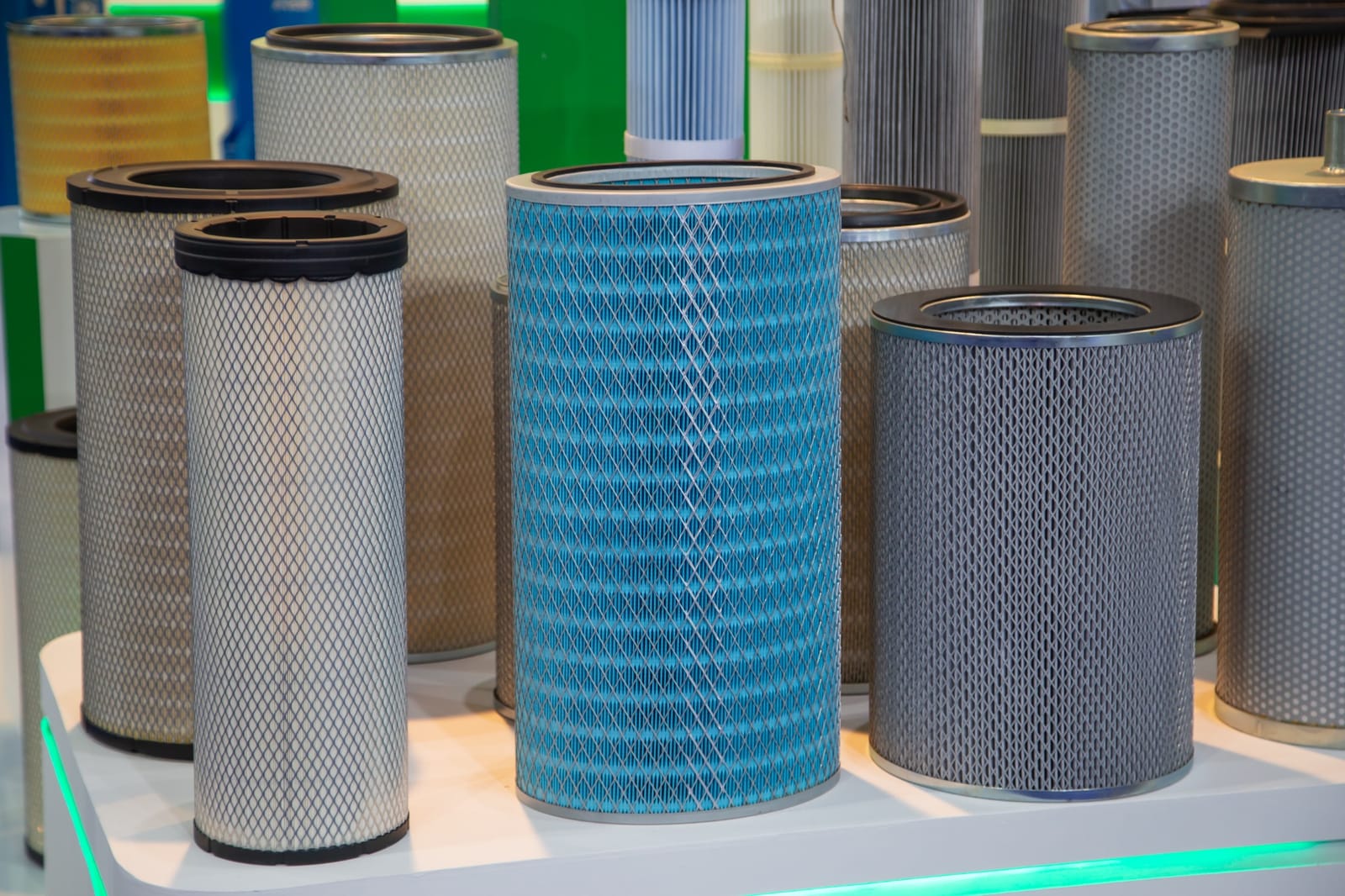
Capture particles in liquid or gas streams. Compare removal efficiency, dirt-holding capacity and pressure loss alongside media compatibility. The housing, element seals and service conditions are part of the selection.
Liquid/gas and liquid/liquid coalescing
Combine small droplets so the separated liquid can drain or disengage. Identify the continuous phase, dispersed liquid and solids burden. Upstream particulate removal can protect the coalescer; emulsions and fluid chemistry require application review.
Ultrafiltration and reverse osmosis
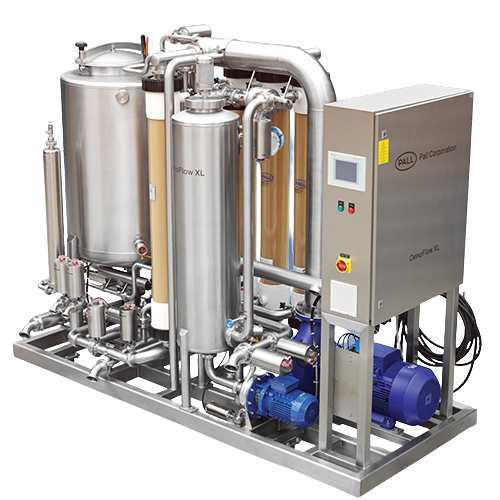
Membrane treatment separates different kinds of contamination. Ultrafiltration addresses fine suspended material and larger molecules; reverse osmosis can reduce dissolved salts. Feedwater analysis and the required treated-water quality guide the process arrangement.
Manufacturers by product family
Industrial filtration & separation
Filter bags, media & housings
Water filtration & solids removal
Air & gas filtration
Membranes & purification
Start with the contaminant and required outlet quality.
Share the fluid or gas, contaminant, flow rate, pressure and temperature. Our team can help you compare filtration, separation and purification options for the process.
Manufacturer availability varies by state and product line. Contact your local Fluid Flow team to confirm options for your facility.
Filtration for your process.
Explore filtration and separation product families. Manufacturer representation and product availability vary by location; your local Fluid Flow team can confirm the options for your application.
Liquid and process filtration

PALL
- Process filtration
- membrane filtration
- separation
- purification
- single-use filtration
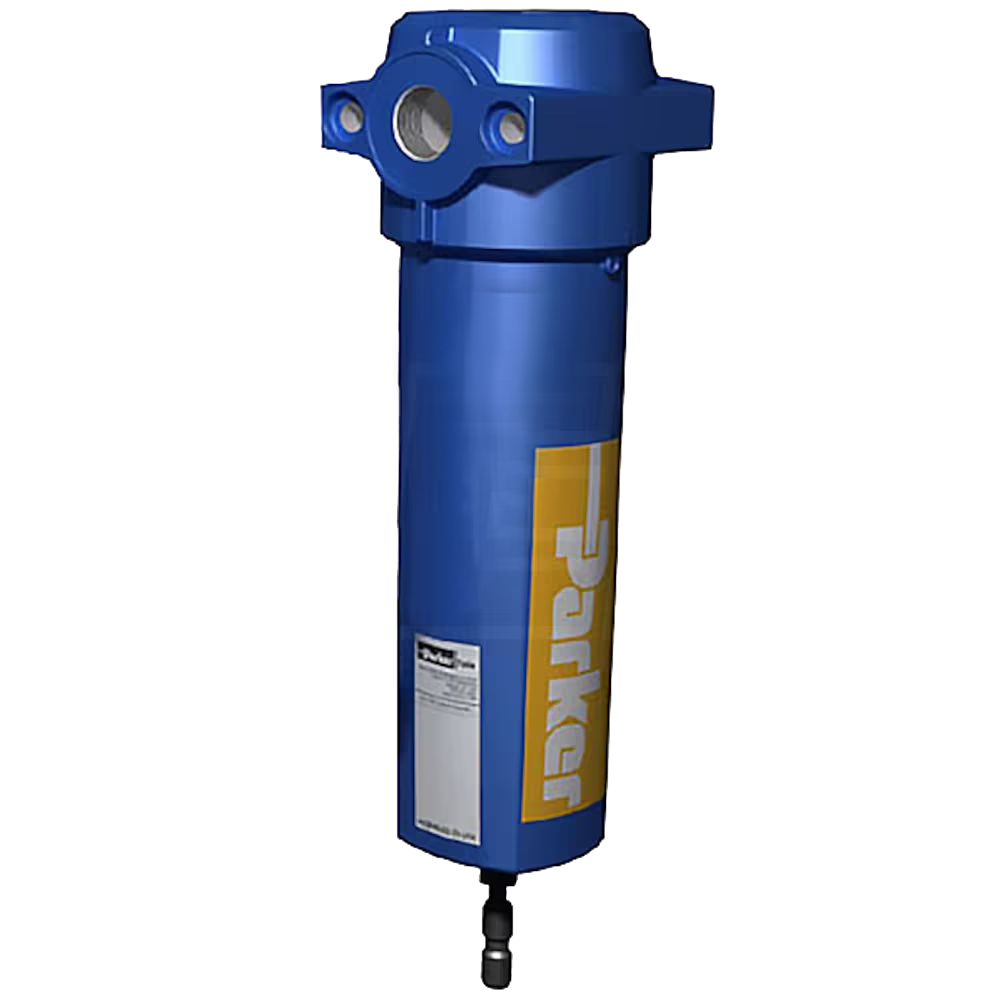
Parker
- Compressed-air filtration
- gas filtration
- liquid filtration
- process filtration
- purification
Air and gas filtration
Balston
- Coalescing filters
- particulate filters
- sterile filtration
- compressed-air and gas filtration
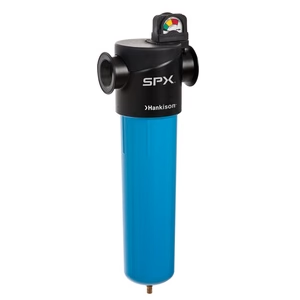
SPX FLOW
- Compressed-air treatment
- refrigerated and desiccant air dryers
- filtration and dehydration systems
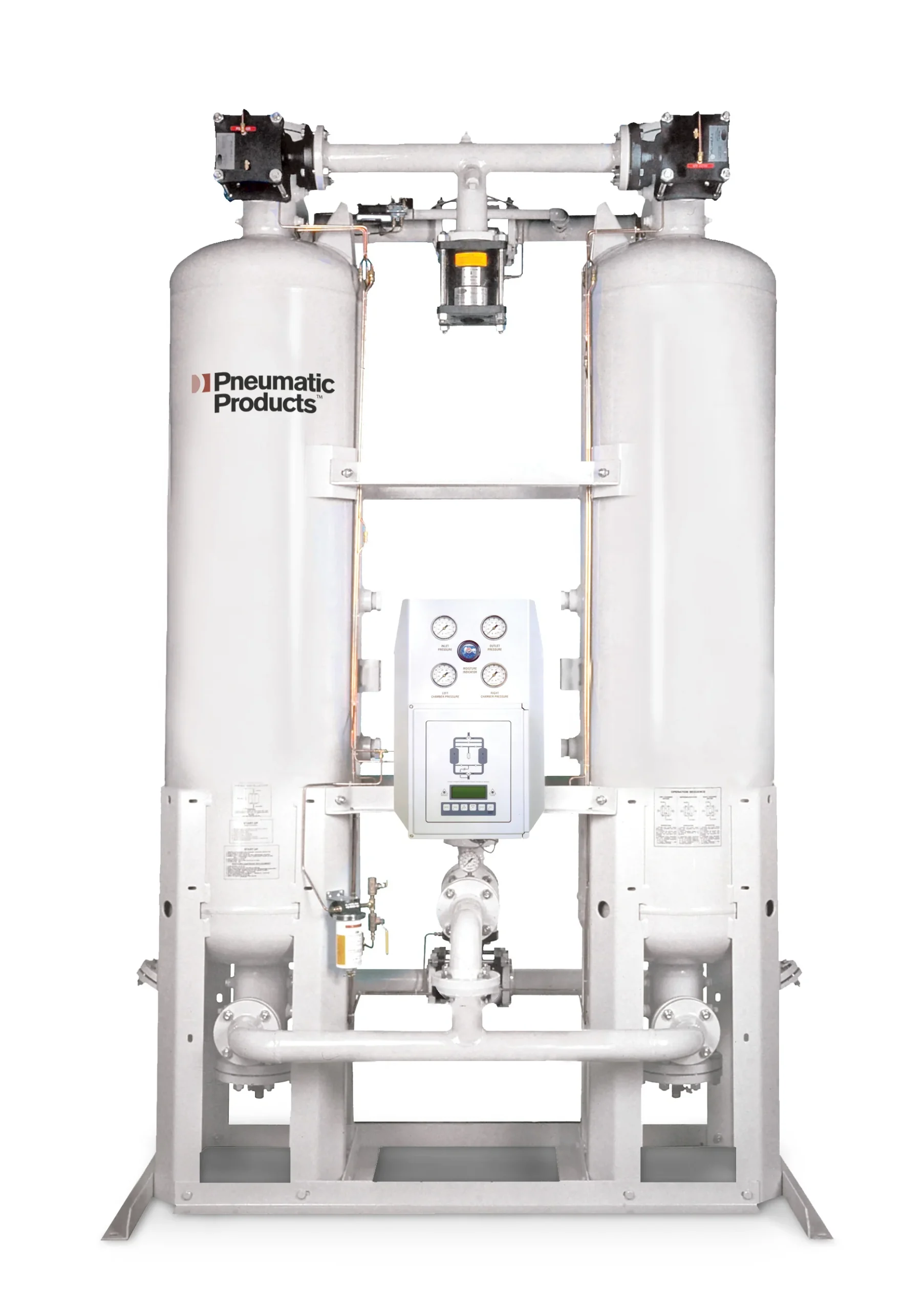
PPC
- Regenerative desiccant air dryers
- heatless desiccant dryers
- compressed-air drying systems
Sanitary process components
Saint-Gobain
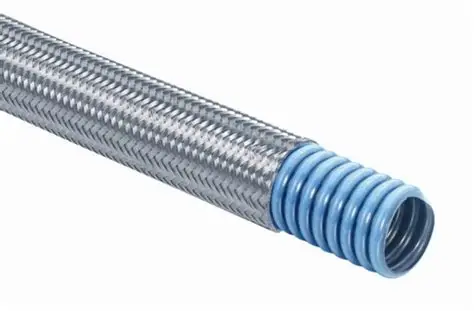
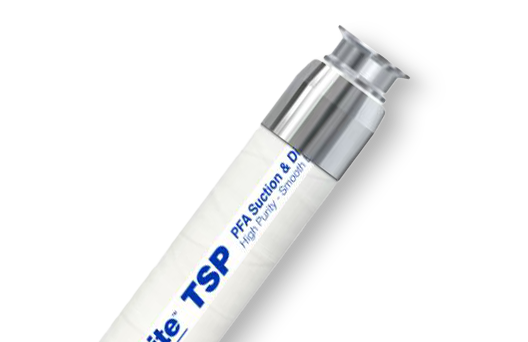
- Fluoropolymer tubing
- process tubing
- hose
- fluid-handling components
Flowtrend
- Sanitary process components
- filtration-related components
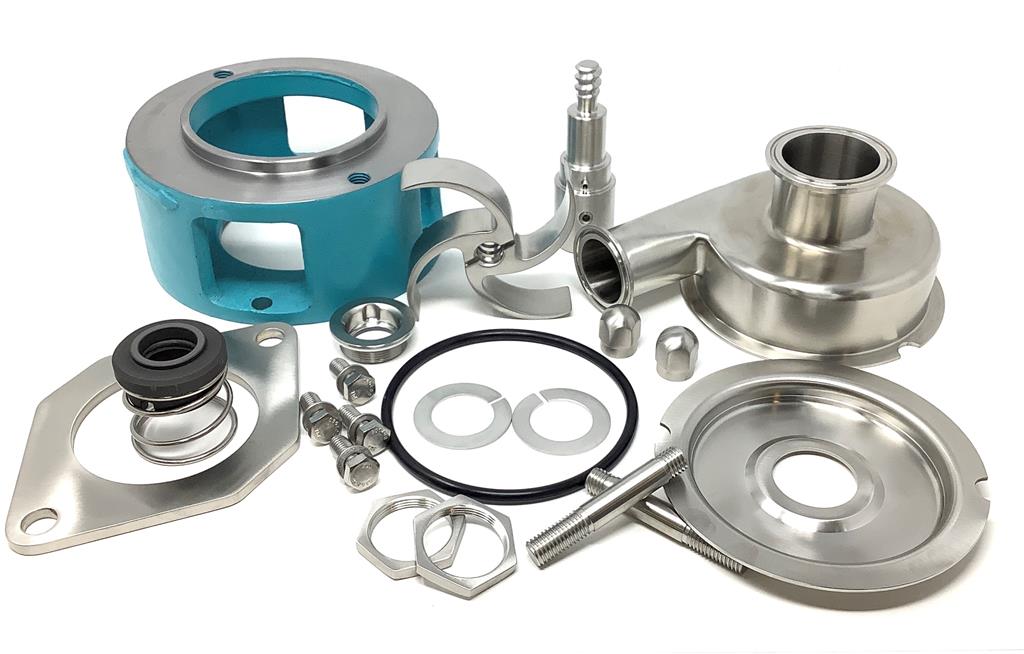
- repair kits
Ace Sanitary
- Sanitary hose and fluid-handling components
Process cleaning
Vacuum systems
Dekker
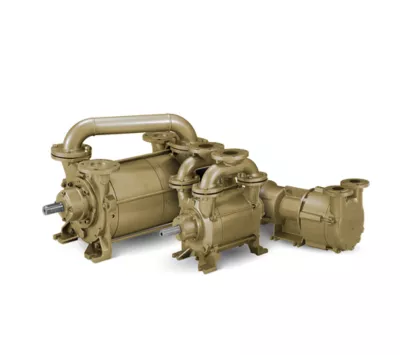
- Vacuum pumps and systems used for air/gas handling and process applications
Moisture and dew point
Vaisala
- Dew point
- humidity
- moisture and temperature measurement for air and gas quality monitoring
Kahn
- Dew point and moisture measurement
- hygrometers
- compressed-air moisture analysis
TROUBLESHOOT THE CAUSE
Why are filters
loading so quickly?
Pressure drop reflects resistance through the housing, media and accumulated contamination. Compare readings under similar flow and fluid conditions. A faster rise can indicate a changed solids load, unsuitable media, inadequate area or an upstream process change; replacing the same element may leave the cause unresolved.
Build a useful comparison.
- Record clean and operating differential pressure, changeout frequency and production volume between changes.
- Identify whether the captured material is hard particulate, soft or deformable solids, an emulsion or another contaminant.
- Include flow range, viscosity, temperature and pressure so the selected medium and housing can be checked together.
- Define the required outlet quality and how it will be measured; longer element life is useful only if the process remains protected.
APPLICATION QUESTIONS
Filtration selection
questions.
Will a finer filter solve every contamination problem?
No. Finer particulate filtration does not address every dissolved contaminant or vapor. It can also increase pressure loss or changeout frequency. Identify the contaminant and required separation before changing the rating.
What is the difference between a coalescer and a dryer?
A gas coalescer removes entrained liquid droplets. A dryer removes moisture vapor to meet a specified dew point. A system may need both when liquid carryover and vapor are present.
When should a self-cleaning filter be considered?
Consider it when solids loading or repeated manual changeouts justify evaluating a regenerable design. Confirm retention requirements, cleaning effectiveness, utility availability and waste handling for the actual contaminant and operating conditions.
PREPARE FOR YOUR REVIEW
Define the result your filtration must deliver.
Bring the process medium, contaminant, target cleanliness and operating conditions. Add an element part number, housing photo or analysis report if available. Fluid Flow can help compare a replacement with a different treatment approach and review the product and regional support appropriate to your application.
CONNECTED APPLICATIONS
Connect filtration to the rest of the process.
Liquid Process
Compare liquid-filter media, contaminant loading and pressure loss.
High Purity Water
Review feedwater quality, membrane protection and the required outlet specification.
Compressed Air & Gas
Connect filtration with drying, demand and delivered air quality.
Process Equipment
Review the heating, mixing or cleaning duty around the filtration stage.
APPLICATION SUPPORT
Let’s talk about your filtration challenge.
Tell us about your process, operating requirements and location. We’ll connect you with the team that supports your application.