A filter that needs more frequent replacement, an unstable pressure reading or a transfer that takes longer than expected can point to changing operating conditions. Share what changed in the feedstock, recipe, temperature or production rate. We can help you define the equipment questions before you commit to a replacement.
EXPLORE EQUIPMENT
Equipment for your operation.
PALL | PARKER
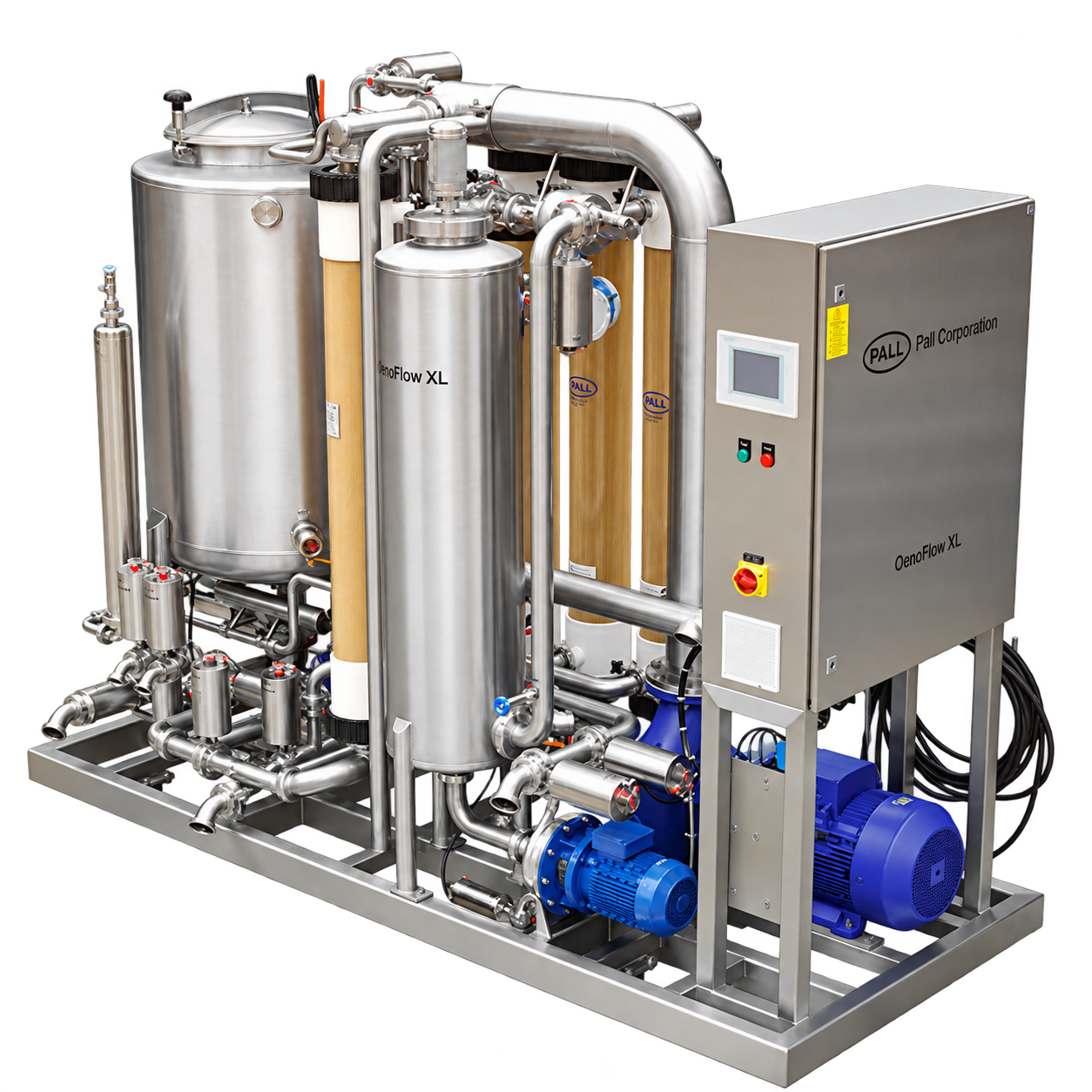
Process filtration and separation
Review filter elements, housings and coalescing options around the contaminant, compatible materials and operating envelope.
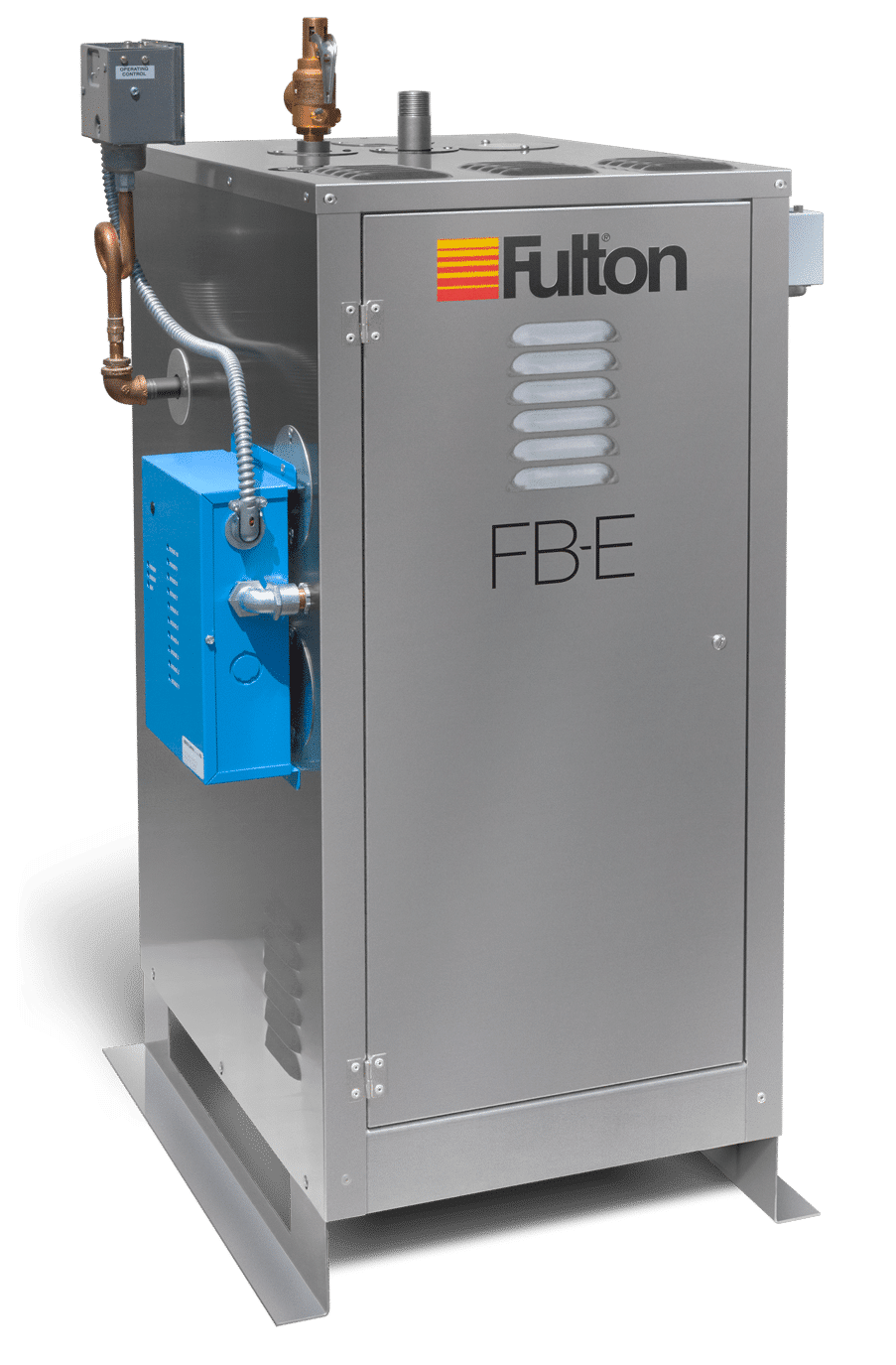
Manufacturer availability and service scope vary by product line and territory. Product images illustrate examples; confirm the appropriate configuration for your application.
Address the part of the process that needs attention.
Contamination in feedstocks or finished product
Define what needs to be removed and where it enters the process. Particle filtration and liquid separation address different problems; the choice also depends on chemistry, viscosity, flow and the downstream quality requirement.
Heating and transfer through a batch cycle
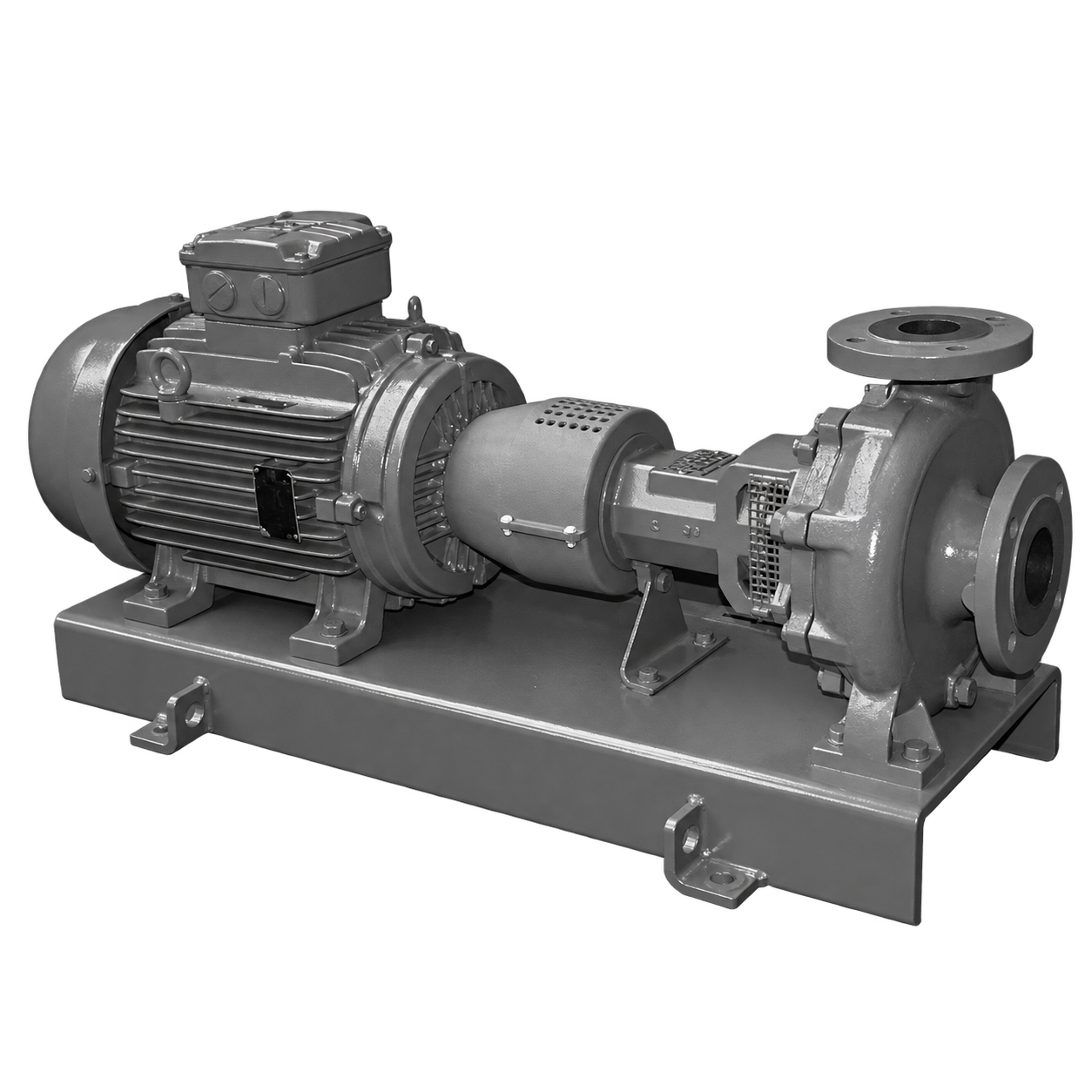
A fluid that moves easily when warm may behave differently during startup. Review the temperature range, viscosity changes, required transfer time and cleaning duty together when evaluating pumps and process heating.
Measurements that become difficult to trust
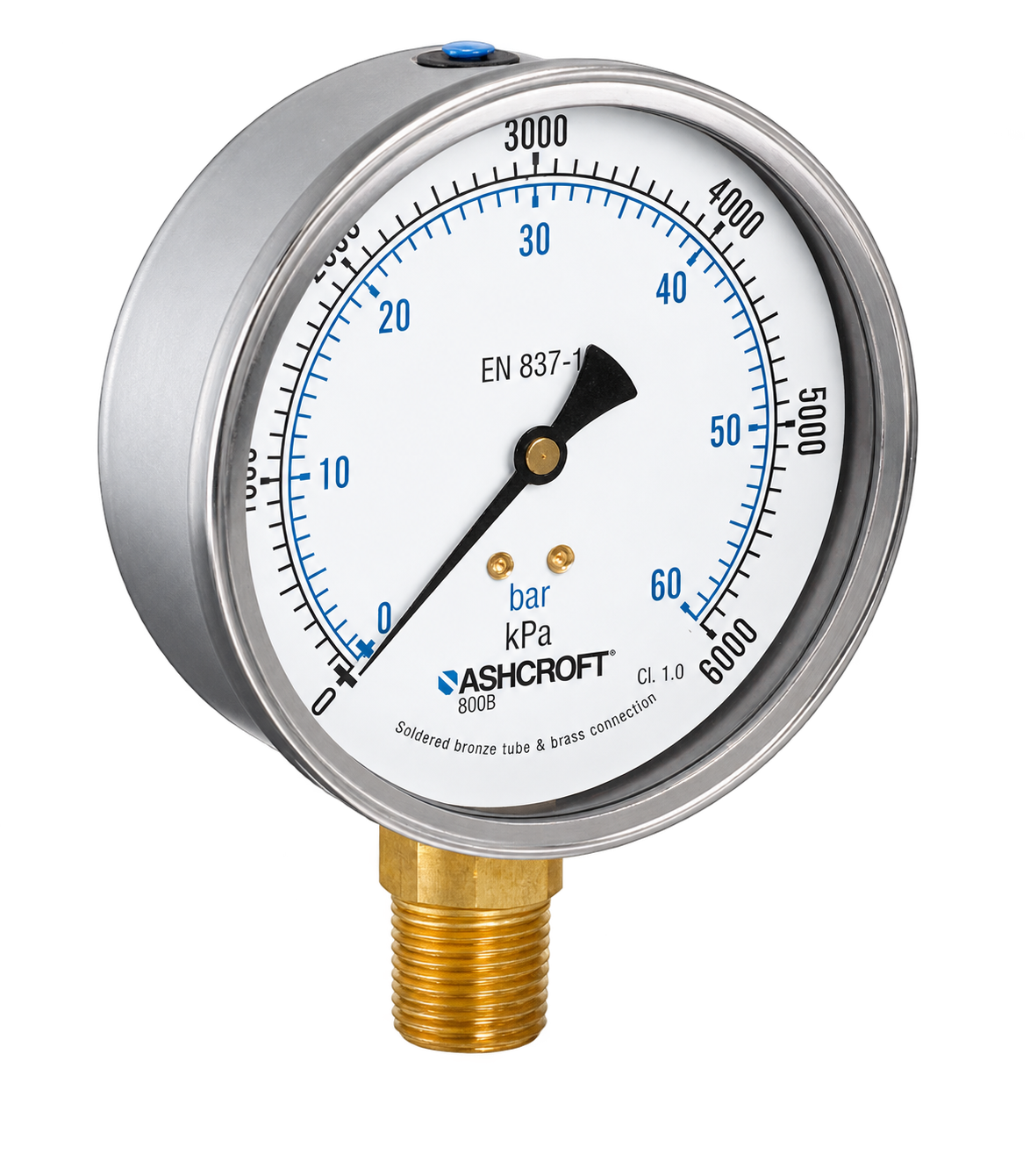
For corrosive, coating or plugging media, consider the complete pressure measurement assembly, including wetted materials and any required isolation. Share the process connection, temperature, expected range and failure history.
Plan the change around production
Bring equipment records, recent operating data and the planned maintenance window. Your Fluid Flow team can help organize product selection and discuss available parts, startup and compressed air service support. For recurring air-system problems, an audit can establish the operating baseline before an upgrade is proposed.
Confirm current specifications and availability with your regional team.
Before you specify equipment
What information is needed to select chemical process equipment?
Start with the fluid composition and concentration, flow range, pressure, temperature and materials already in service. Include solids, viscosity, cleaning chemicals and any site specification that affects the selection.
Will a finer filter solve a contamination problem?
Not necessarily. Identify the contaminant and the product-quality requirement first. A finer element can change pressure loss and replacement frequency, while some liquid contamination calls for separation rather than particle filtration.
Can existing equipment be used after a recipe change?
That requires a review of the new operating conditions. Compare compatibility, viscosity, temperature and duty with the existing equipment specification instead of assuming the original selection still applies.
Tell us what changed in your chemical process
Share the fluid, equipment model, operating conditions and facility location. We will help you identify the next selection or troubleshooting discussion.