A valve that fits the pipe can still be the wrong fit for the process. Start with what the valve must do: isolate, regulate, prevent reverse flow or direct the medium. Fluid Flow helps bring the operating conditions and assembly requirements into the same selection conversation.
Solutions for your process
Start with the valve duty
Isolation and routing
For on/off service, define shutoff expectations, flow path and operating frequency. Ball and plug valve configurations offer different choices for isolation and routing; compare the actual model and construction.
Regulation and fine adjustment
For throttling or metering, describe the minimum, normal and maximum flow conditions. Needle, metering and control valve options should be evaluated for the required adjustment and operating range.
Reverse-flow control
For a check valve, identify the direction of flow and the available pressure difference. Cracking and resealing behavior, orientation and materials are important parts of the selection.
Automated operation
Define on/off or modulating duty, available power or instrument air, required feedback and the intended loss-of-power response. Review the actuator and accessories with the valve.
Review valve options for isolation, flow adjustment, reverse-flow control and automation. Fluid Flow helps you compare the application requirements before selecting a valve assembly.
Ball Valves
Ball valve options include manual and automated configurations with different materials, body designs and end connections. Verify the selected model’s pressure-temperature ratings and suitability for the service.

Needle Valves
Needle valves provide controlled adjustment of flow. Compare stem design, materials, connections and the required operating range for the specific application.

Check Valves
Compare cracking pressure, resealing behavior, materials and end connections for the required reverse-flow control duty.
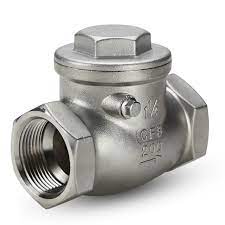
Butterfly Valves
Review butterfly valve body style, liner or seat materials, connection requirements and manual or automated operation against the application.
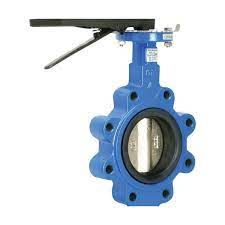
Directional Valves
- Manual 4 way valves
- Manipulator valves
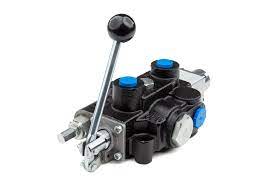
Plug Valves
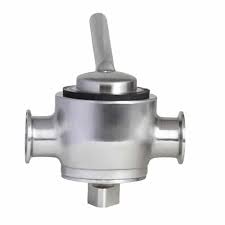
Compare plug valve flow path, materials, connections and operating requirements for isolation or routing service.
Get Help With Your Valve Application
Share your process conditions, required valve duty and existing model information. We can help review the available options for your location and product line.
Need to speak with someone now?
Call Us
(920) 729-1600
Plan the next step
Specify the full operating envelope
Give your application team normal operating data and the less frequent conditions that may govern the selection. Startup, cleaning, shutdown and a change of product can matter as much as steady operation.
- Medium, concentration, solids content and required wetted materials.
- Minimum, normal and maximum flow and temperature.
- Inlet pressure, outlet pressure and expected pressure changes.
- Connection standard, line size, available space and installation orientation.
- Required shutoff, operating frequency and maintenance access.
- Actuation, control signal, position feedback and documentation needs.
Compare your options
Investigate recurring valve problems
Leakage or frequent seat replacement
Share the valve model, duty cycle, medium and service history. Note whether the issue is external leakage or flow passing through a closed valve; these are different starting points for investigation.
Noise, vibration or unstable control
Provide flow and pressure conditions across the operating range. Control-valve assessment may need to consider the pressure profile and the possibility of cavitation or flashing, rather than simply a larger valve.
Application insight
Review the valve and actuator together
Treat the valve, actuator, mounting and control accessories as one assembly. Specify on/off or modulating duty, available power or air, feedback and the required response if that supply is lost. For a replacement, identify any process change that could make the original configuration unsuitable.
Useful answers
Valve selection questions
Isolation opens or closes the flow path. Modulating service adjusts valve position to regulate a process variable. Specify the required duty before selecting a valve and actuator.
It is the inlet-to-outlet pressure difference at which a check valve begins to open. Review it alongside flow conditions, resealing requirements and the chosen model.
Include the valve duty, medium, pressures, temperatures, connections, control signal, available power or air and the required response if that supply is lost.
Complete the valve and control assembly
product
Instrumentation & Valves
Review how the valve works with process measurement and automation.
service
Service, Repair & Rentals
Discuss the installed assembly, symptom and support requirement.
Fluid Flow application support
Review your valve application
Send the operating conditions and tell us what is not working in the current installation.