
Fluid Flow

  • Home
  • ELGi Industrial Air Compressors

ELGi COMPRESSED AIR SOLUTIONS

ELGi Industrial Air Compressors

Compare compressor technologies, air treatment and accessories around your facility’s airflow, pressure and air-quality requirements.

ELGi oil-lubricated rotary screw compressors

Explore ELGi equipment

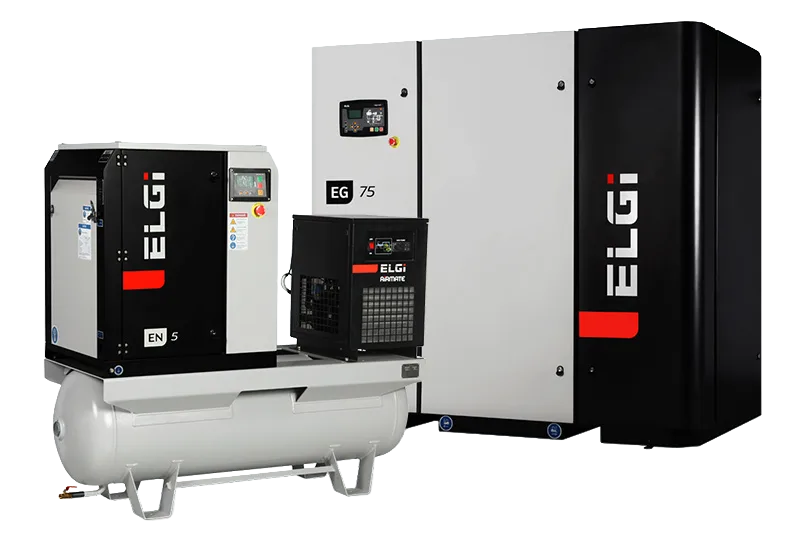
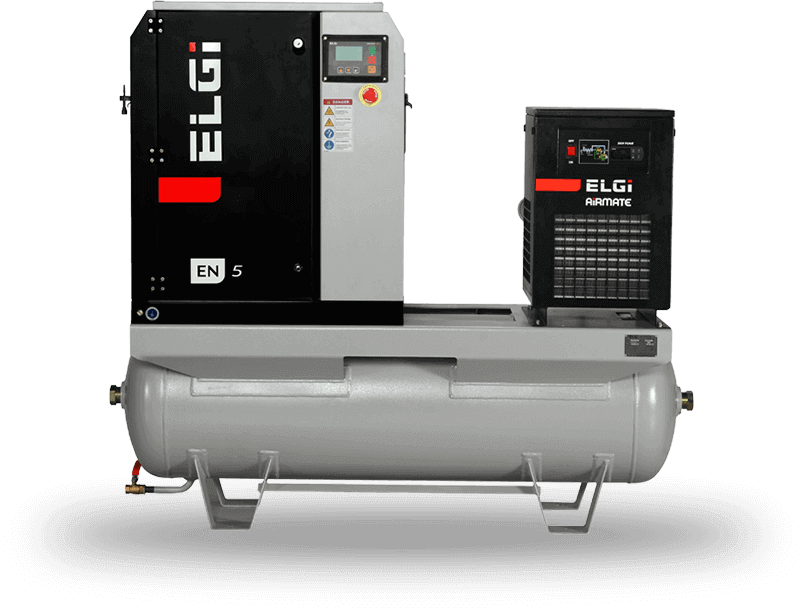
ELGi’s oil lubricated rotary screw compressors

Oil-Lubricated Rotary Screw

For industrial production and sustained air demand.

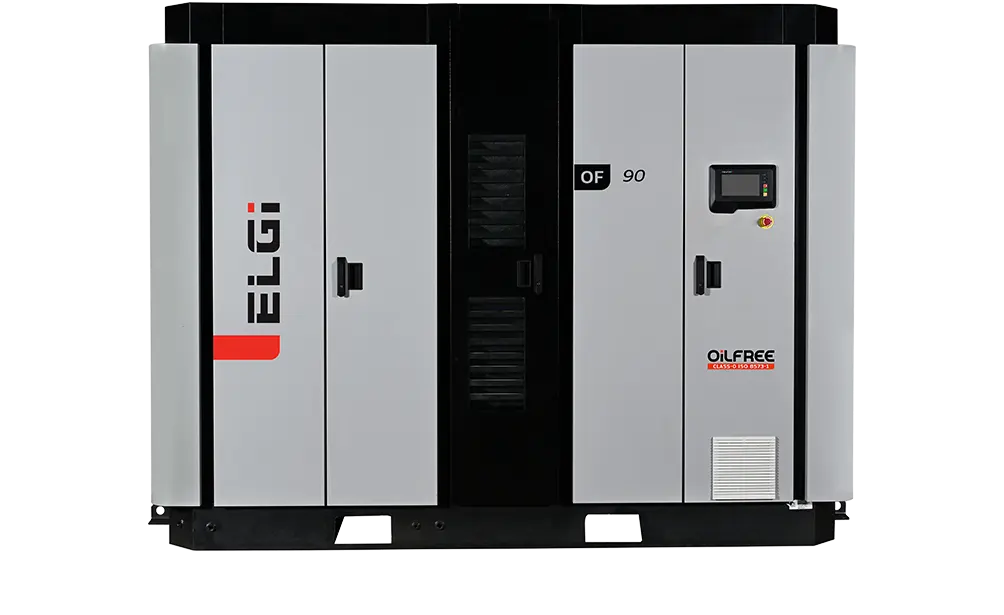
ELGi oil-free air compressor

Oil-Free Rotary Screw

For processes with defined oil-quality requirements.

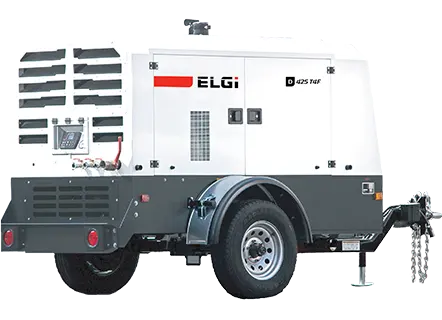
ELGi portable air compressor

Portable Compressors

Compressed air that moves with the work.

ELGi compressed air accessories

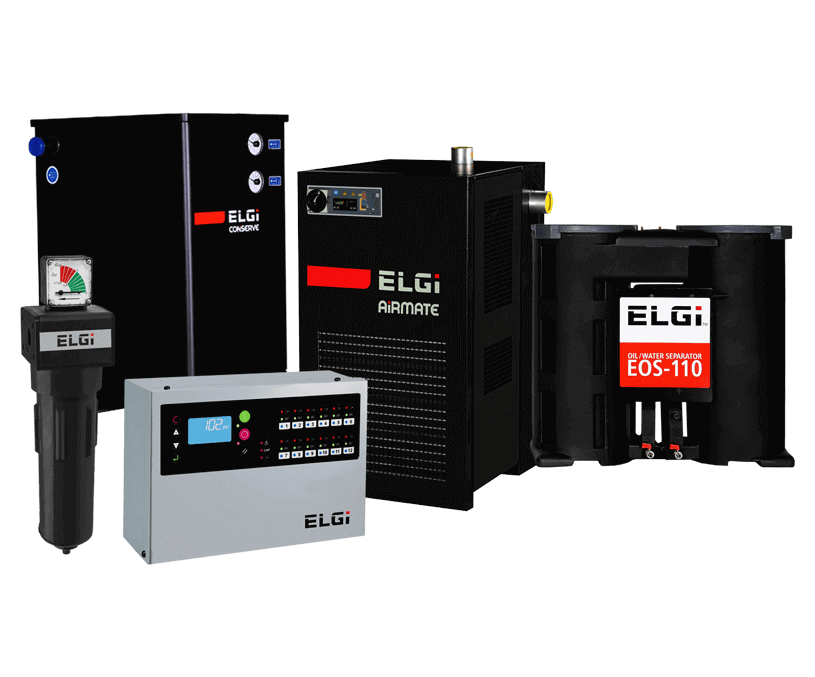
Air Treatment & Accessories

Drying, filtration and condensate management.

ELGi configurations, efficiency and oil-free options

Compare compressor configurations using the operating profile and required air quality, then plan the dryer, filters, storage and controls alongside the compressor.

ELGi oil-lubricated rotary screw compressors

Rotary screw choices for the application

Compare oil-lubricated and oil-free rotary screw configurations, fixed-speed and variable-speed control, and the cooling and installation arrangements. Use the selected model’s performance data at the required pressure to compare specific power and lifecycle energy cost.

Oil-free families: ELGi’s published U.S. range includes AB Series 15–150 HP and OF Series 60–600 HP. Select the exact model and supporting treatment against the process purity requirement; oil-free compression does not replace filtration and drying.

Lifecycle support: equipment selection, installation, commissioning, preventive maintenance, diagnostics, repairs, replacement parts and upgrade planning. Evaluate low-load operation, pressure settings, leaks and sequencing before assuming that a larger compressor is needed.

Review ELGi’s oil-free product families


Start with your operating requirements.

The right selection starts with how your facility uses compressed air.

Share the delivered airflow and operating pressure your production equipment requires, along with any measurements from the existing system. Identify what is measured and what is estimated.

Review oil, moisture and particulate requirements for the process. Compressor technology and downstream treatment should be considered together; confirm the classification for the specific equipment selected.

Describe normal shifts, light-demand periods, future equipment additions and which machines run together. These details help compare the compressor against the facility’s actual demand pattern.

Share available electrical service, cooling arrangements, equipment access and planned maintenance windows. Identify which production processes need continued air supply during installation or service.

Applications include manufacturing, food and beverage, pharmaceuticals and other industrial processes. The right configuration depends on the requirements of the specific process.

Product availability varies by location. Confirm support with your local Fluid Flow team.

Frequently asked questions

Use horsepower as one comparison point. Selection also depends on delivered airflow at the required pressure, operating pattern and air quality. Bring the requirements of the equipment using the air and any measurements from the existing system so the proposed compressor can be evaluated against the application.

Start with equipment manuals, compressor records and a description of when problems occur. Identify which values are measured and which are estimates. Ask Fluid Flow whether additional demand information or a compressed air audit would help establish a more useful basis for selection.

Explain which processes can stop and which require continued air supply. Include the duration of an acceptable interruption and existing backup equipment. That discussion helps define the capacity and operating arrangements to consider; purchasing another compressor alone does not establish a complete continuity plan.

Find the right compressor for your operation.

Share your location, current equipment and the operating challenge you want to solve.