Instrumentation & Valves
Magnetrol Level & Flow Instruments
Magnetrol level and flow instrumentation helps operators track vessel contents, detect high or low levels and monitor process flow. Fluid Flow can help compare measurement technologies around the media, vessel and control requirement.
Explore Magnetrol products
Match continuous measurement, point detection or pneumatic control to the job.
Continuous level transmitters
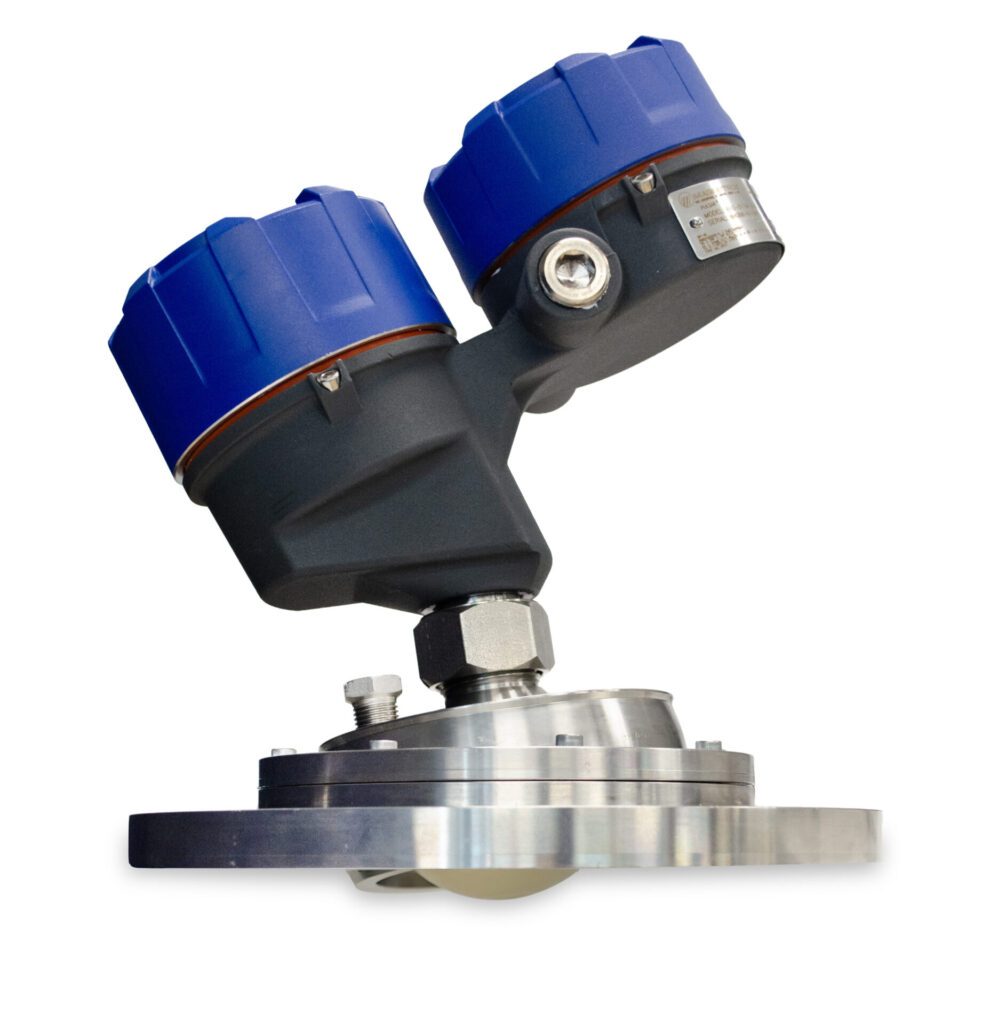
Follow changing level through filling, storage or processing. Guided wave radar and non-contact radar provide different installation approaches for tanks and vessels.
- Evaluate probe contact versus non-contact measurement.
- Review foam, coating, agitation, vapor and internal obstructions.
- Define the usable measuring span and required control-system signal.
Point-level and flow switches
Detect a defined condition such as a high level, low level or change in flow. Choose the sensing technology around the fluid and the required switching function.
- Specify the alarm or operating point.
- Review buildup, fluid density and process temperature.
- Match the switch and installation to the required electrical interface.
Process level controls
Coordinate level measurement with a process control requirement. MODULEVEL pneumatic controls and transmitters provide an option where pneumatic level control is part of the plant design.
- Identify the required controller or transmitter function.
- Review vessel connections and displacer installation.
- Provide available instrument air and control-system details.
Thermal mass-flow measurement
Measure air or gas mass flow for utility and process monitoring. The gas and installation conditions determine the appropriate configuration.
- Identify gas composition and operating flow range.
- Provide pipe size, pressure and temperature.
- Review straight-run requirements and the required output.
Start with your operating requirements.
Describe the material
Include liquid or bulk-solid service, dielectric properties if known, density, coating tendency and changing composition. These details affect which technology can reliably detect the level.
Describe the vessel
Provide height, nozzle dimensions, internal obstructions, turbulence and mounting access. A vessel sketch often resolves installation questions faster than a model number alone.
Separate indication from alarm duties
State whether the task is continuous inventory, process control or an independent high/low-level alarm. Define each function before combining instruments.
Product resources
Frequently asked questions
A continuous transmitter follows the level across a measuring span. A point-level switch changes state at a defined location or condition. The correct choice depends on the operating decision the signal supports.
Review media behavior, nozzle geometry, obstructions and whether a probe can contact the product. Guided wave radar uses a probe; non-contact radar measures from above. The application and selected model determine suitability.
No single technology fits every vessel. Foam, coating, vapor, agitation, density changes and mechanical access can affect selection. Share these conditions with Fluid Flow before choosing a model.
Contact your local Fluid Flow team to confirm product availability and options for your facility.
Find the right solution for your application.
Share your operating requirements, current equipment and facility location.