From automotive production to mining and primary metals, machine performance depends on the utilities behind it. A new line can change air demand, while intermittent cycles can expose a restriction. Whether you build equipment or operate it, share the normal cycle, peak demand and minimum conditions needed at the connection.
EXPLORE EQUIPMENT
Equipment for your operation.
ELGI | HANWHA | SPX FLOW
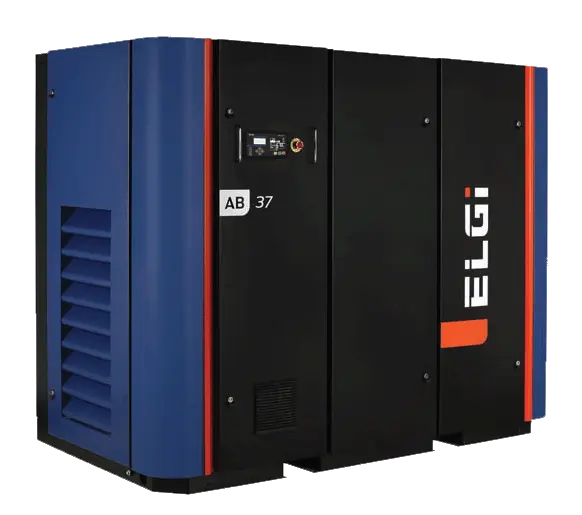
Air compressors and treatment
Evaluate compressor capacity, operating profile and treatment needs around the machines being supplied.
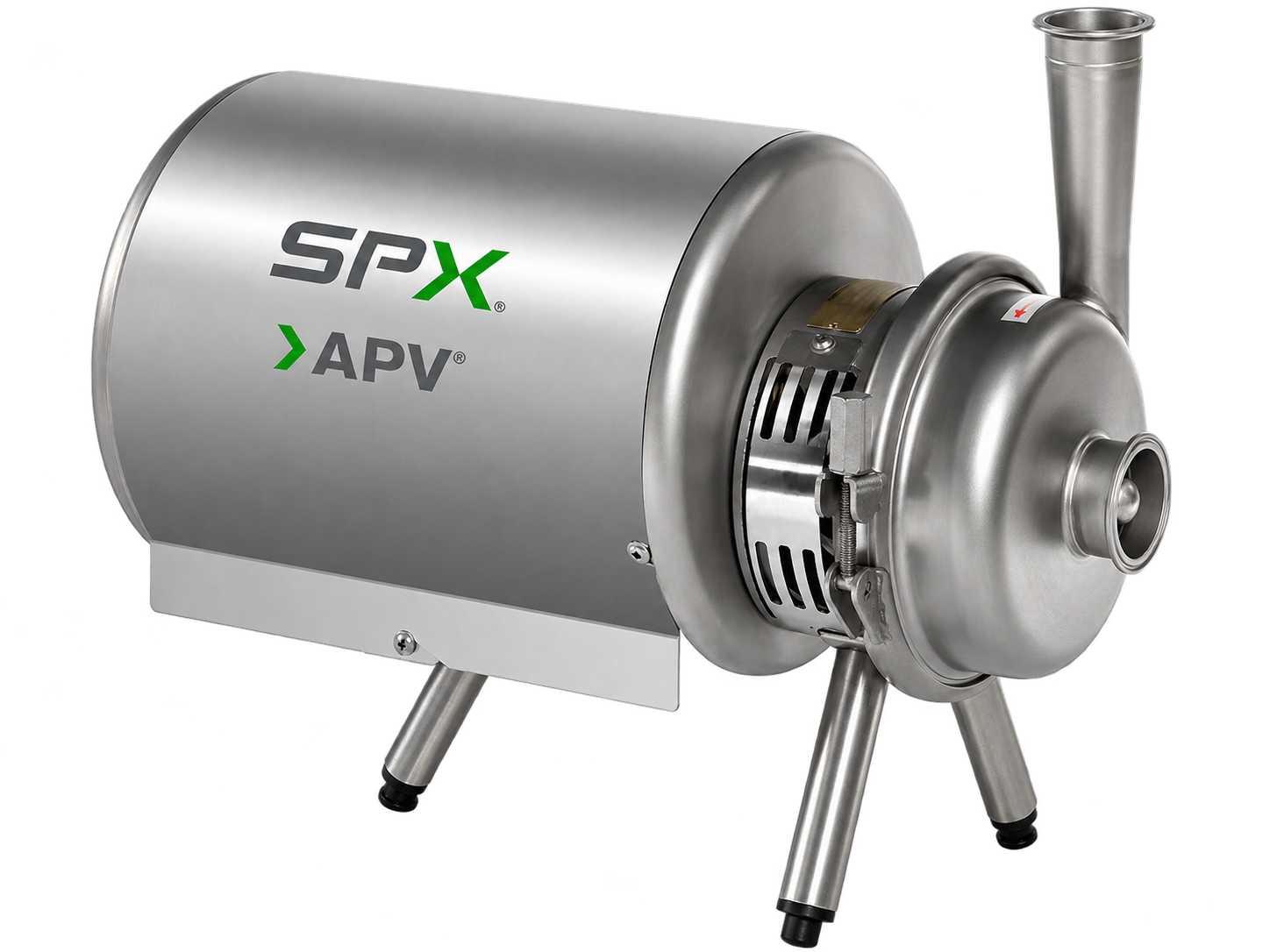
Manufacturer availability and service scope vary by product line and territory. Product images illustrate examples; confirm the appropriate configuration for your application.
Address the part of the process that needs attention.
Pressure dips during machine cycles
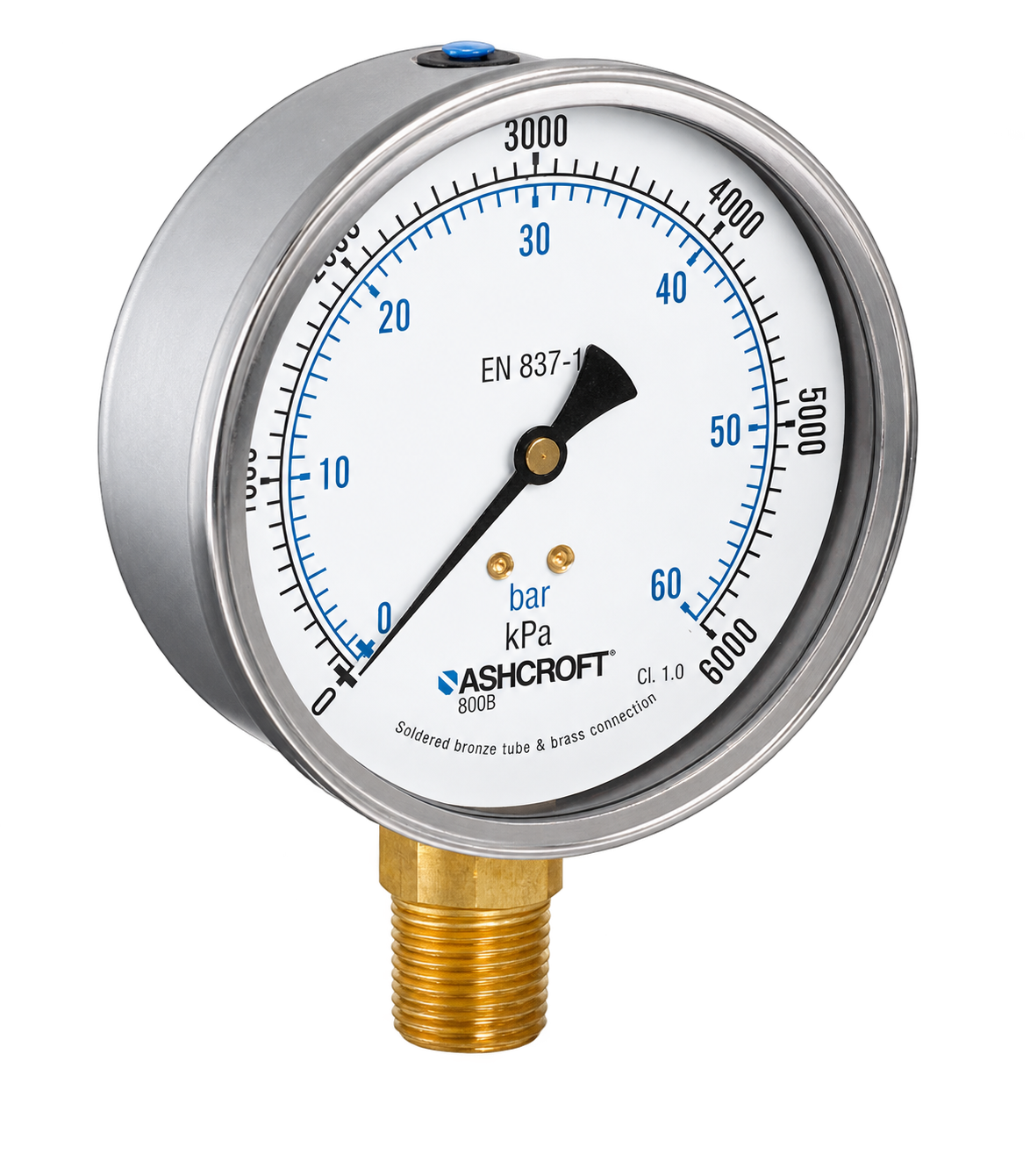
Compare pressure at the compressor room with pressure at the machine while it operates. Peak demand, piping restrictions, treatment pressure loss and storage are useful parts of the review.
Moisture or contamination reaching equipment
Check the quality required by the machine manufacturer and the conditions at the point of use. Dryers, filtration and condensate management need to match the operating environment and duty.
Expanding a line or building a repeatable machine
Document utility requirements, fluid characteristics and component connections before choosing equipment. A clear specification makes it easier to compare options and plan future service access.
Use operating data to plan the next improvement
If a machine problem keeps returning, record when it happens and what the rest of the plant is doing. Fluid Flow’s compressed air audit and service resources can help review system performance, maintenance needs and expansion plans. Discuss startup support, parts and temporary air needs before a planned changeover.
Confirm current specifications and availability with your regional team.
Before you specify equipment
Do I need another compressor when I add a machine?
Not always. Compare the new demand with measured supply, existing demand and pressure at the point of use. An assessment can help determine whether capacity, controls, storage, leaks or distribution should be addressed.
Can equipment be selected from the average air demand alone?
Average demand is only part of the picture. Include peak flow, cycle duration, minimum pressure and the timing of other equipment loads. These details help define how the system must respond.
What should an equipment builder provide for a utility review?
Provide normal and peak flow, pressure, required air or fluid quality, cycle timing, connections and available installation space. Include the intended operating environment and service-access requirements.
Planning a new machine or production line
Send the utility specification and operating profile. We can help connect the equipment requirement to the plant system that supports it.