Process equipment
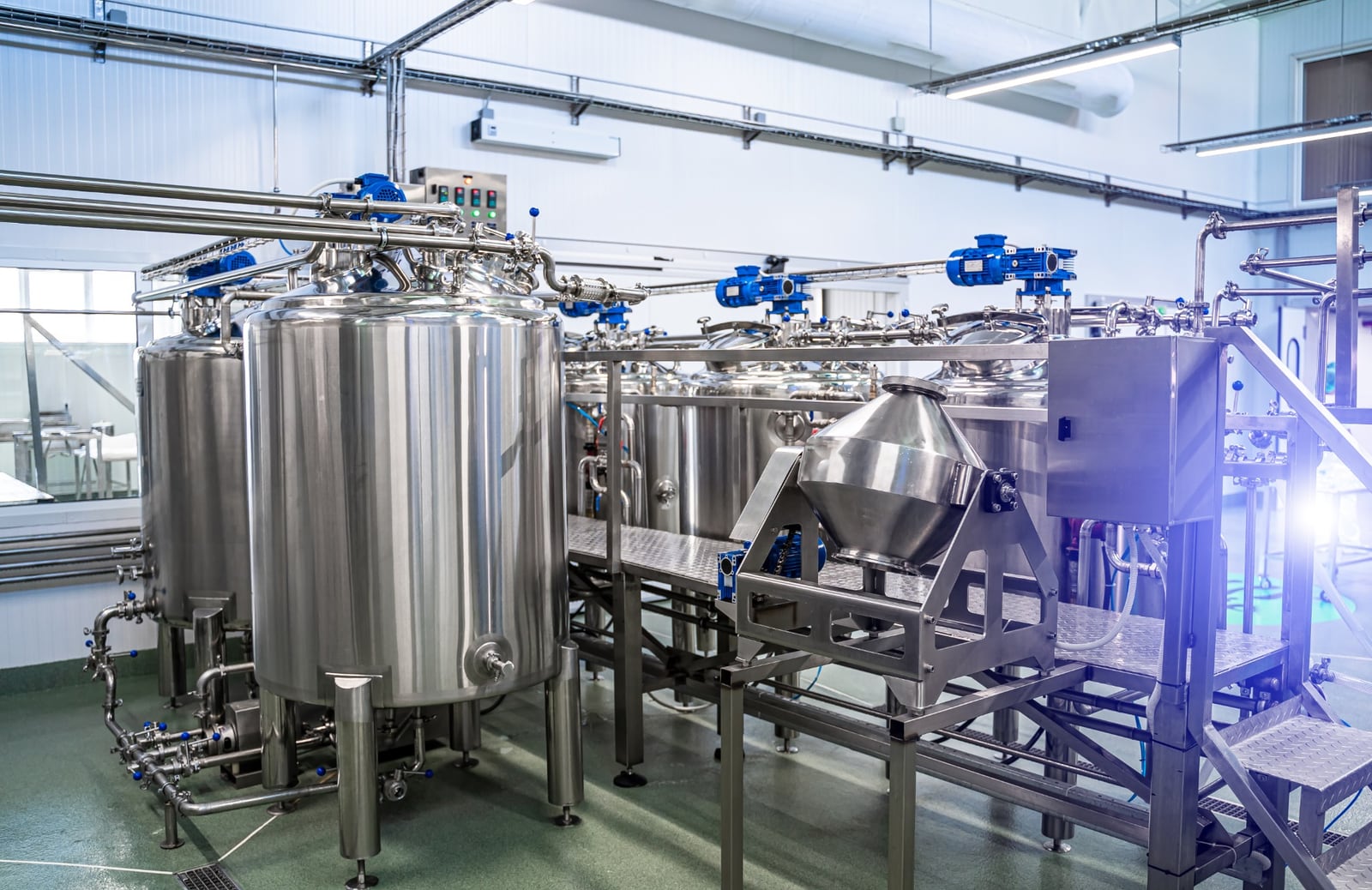
A slow batch, difficult powder addition or cleaning cycle that delays the next run can involve more than one piece of equipment. Fluid Flow helps frame the application around the production result you need, the conditions at each process step and the equipment that must work together.
Choose your location to discuss product selection and application support. Availability varies by branch.
SELECTION GUIDE
Start with the result production cannot consistently achieve: time to temperature, batch uniformity, transfer rate, cleaning duration or vacuum at the process. Connect that symptom to the material, utilities and operating conditions before selecting a heater, mixer or equipment package.
Share product mass, starting and target temperatures, required heat-up time and available utilities. Include the heat-transfer fluid, operating history and cold-start conditions when a thermal-fluid loop is involved.
Document viscosity through the batch, solids loading, ingredient-addition order and the desired result. Mixer selection may require application testing because vessel geometry, shear and batch circulation do not scale by volume alone.
Identify the residue, equipment surfaces, cleaning circuit and acceptance criteria. Cleaning time, action, chemistry and temperature work together; changing one setting does not establish a validated cleaning process.
Tell us the material, batch or continuous duty, temperatures and production result you need. We can help connect the heating, mixing, transfer and cleaning requirements before equipment is selected.
Manufacturer availability varies by state and product line. Your local Fluid Flow team can confirm the options for your facility.
Explore heating, mixing, sanitary processing, filtration and vacuum technologies. Manufacturer availability varies by location. Your Fluid Flow team can confirm the options for your facility.
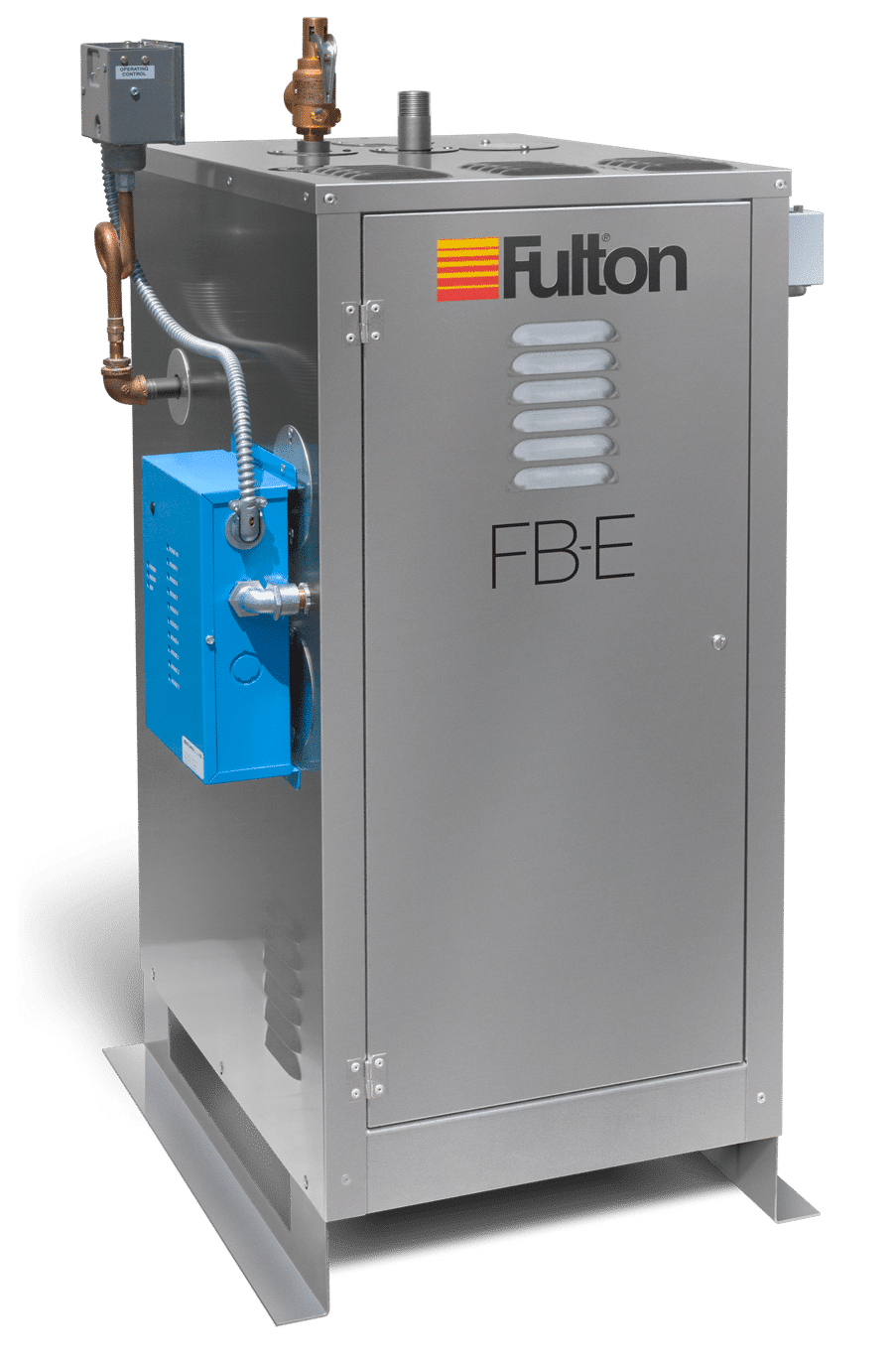
Fulton designs steam, hot-water and thermal-fluid equipment for industrial heating and utility applications. Its boilers, heaters and engineered systems provide dependable heat transfer for production processes, sanitation, building systems and other demanding thermal loads.
Paratherm manufactures heat-transfer fluids and system cleaners for heating and cooling applications across a wide temperature range. Its fluids support efficient thermal performance, reliable startup and long service life in chemical, food, plastics and other process industries.
Maximizer Systems provides direct-fired water-heating and heat-recovery equipment for industrial sanitation and process applications. Its systems are designed to deliver hot water efficiently while recovering usable energy that would otherwise be lost.
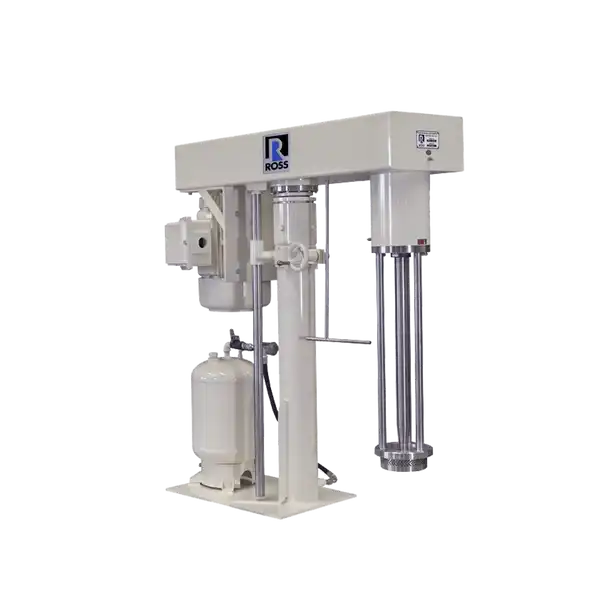
Ross manufactures industrial mixing, blending and dispersion equipment for liquids, powders, pastes and high-viscosity materials. Its laboratory and production-scale systems support consistent batch quality across chemical, food, pharmaceutical, coatings and other process industries.
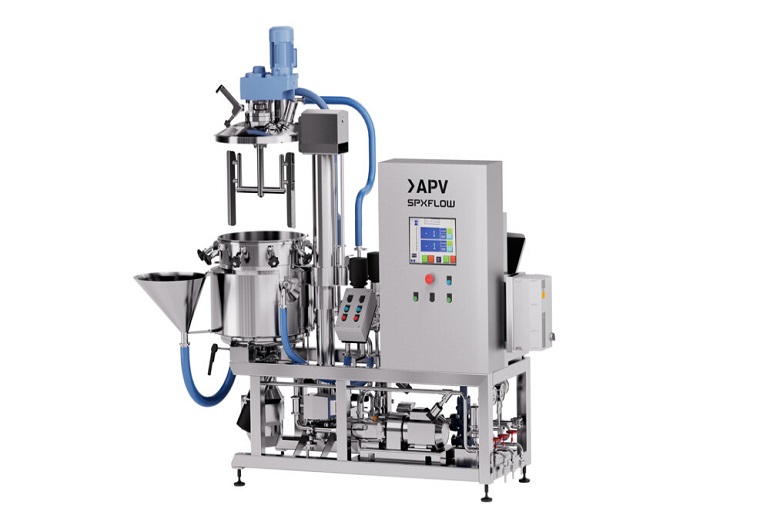
SPX FLOW provides engineered mixing and agitation equipment for chemical, food, beverage, pharmaceutical and general industrial processes. Its mixer brands and application expertise support reliable blending, suspension, heat transfer and mass transfer across a wide range of vessel sizes.
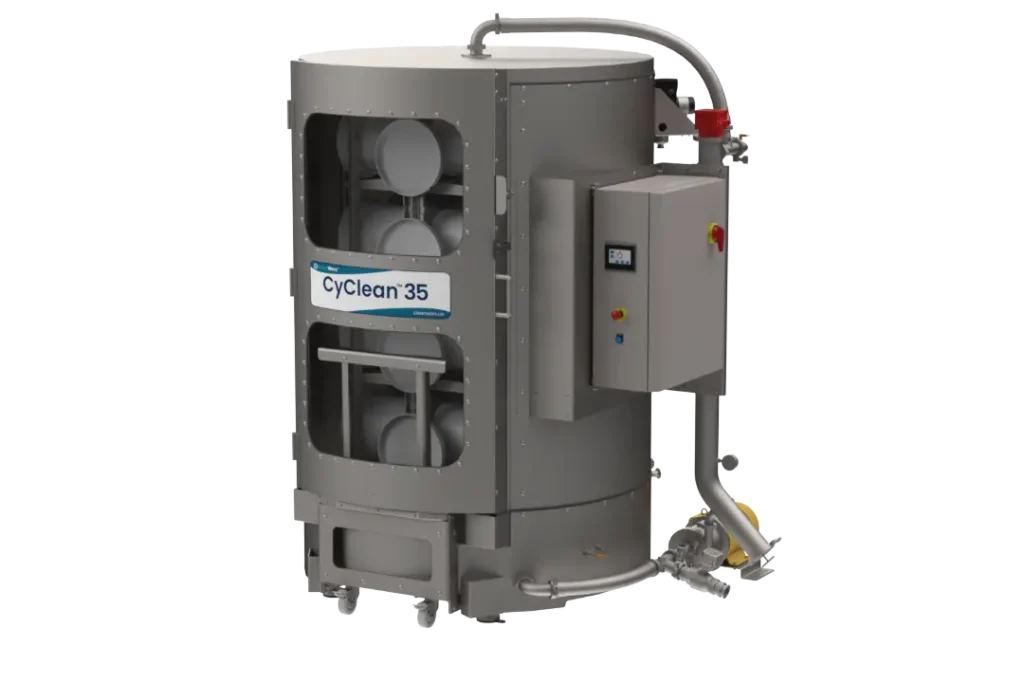
Sani-Matic designs automated and manual cleaning systems for food, beverage, pharmaceutical and other sanitary processing environments. Its CIP, COP and component-washing equipment helps facilities achieve repeatable cleaning results while improving safety, documentation and production efficiency.
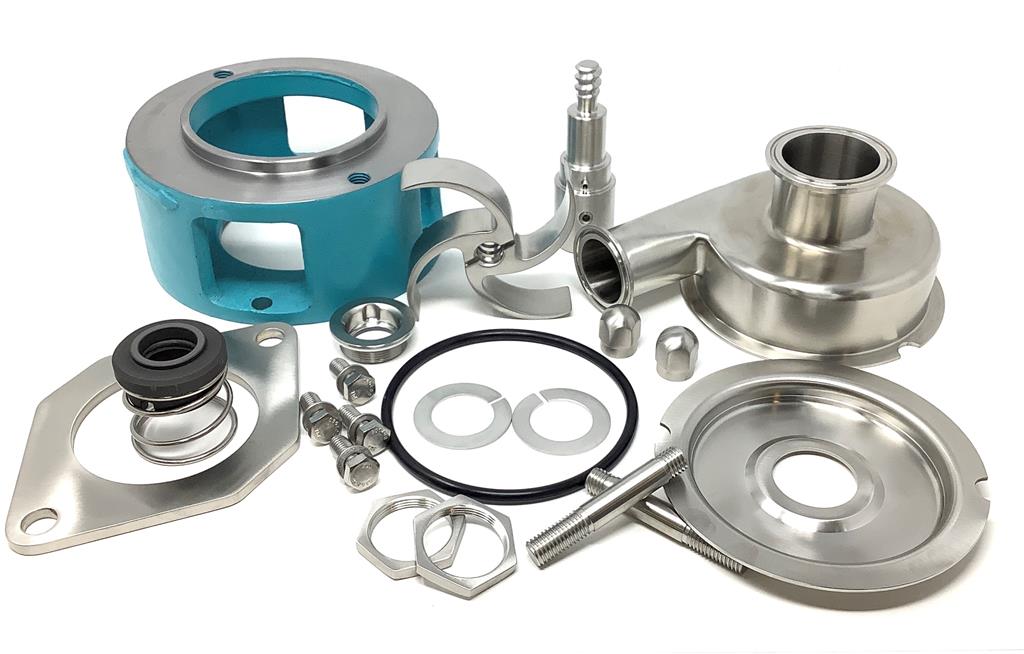
Flowtrend supplies sanitary process components, replacement parts and repair solutions for hygienic fluid-handling systems. Its products help processors maintain pumps, valves and related equipment while reducing downtime and extending service life.
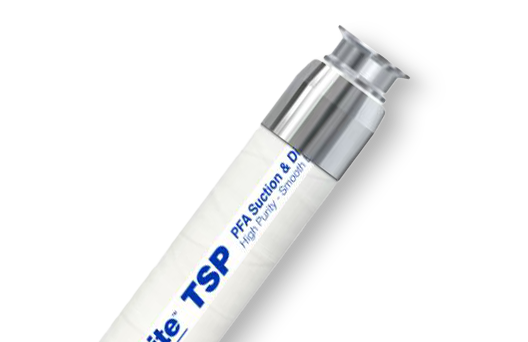
Ace Sanitary provides hose, tubing, fittings and custom assemblies for sanitary and high-purity fluid transfer. Its products are designed for hygienic performance in food, beverage, dairy, pharmaceutical, biotechnology and other critical-process applications.
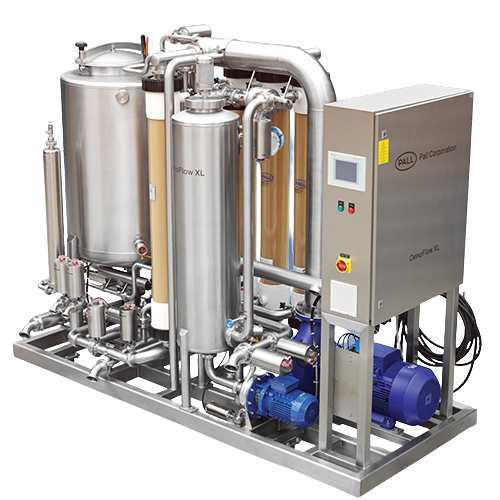
Pall develops filtration, separation and purification technologies that help protect processes, improve product quality and recover valuable materials. Its filter media, cartridges, housings and single-use solutions support liquid and gas applications across industrial and high-purity operations.
Parker provides process filtration and fluid-handling products for industrial liquids, gases and utilities. Its cartridges, housings, tubing, hose and fittings help remove contaminants, protect downstream equipment and maintain reliable flow throughout process systems.
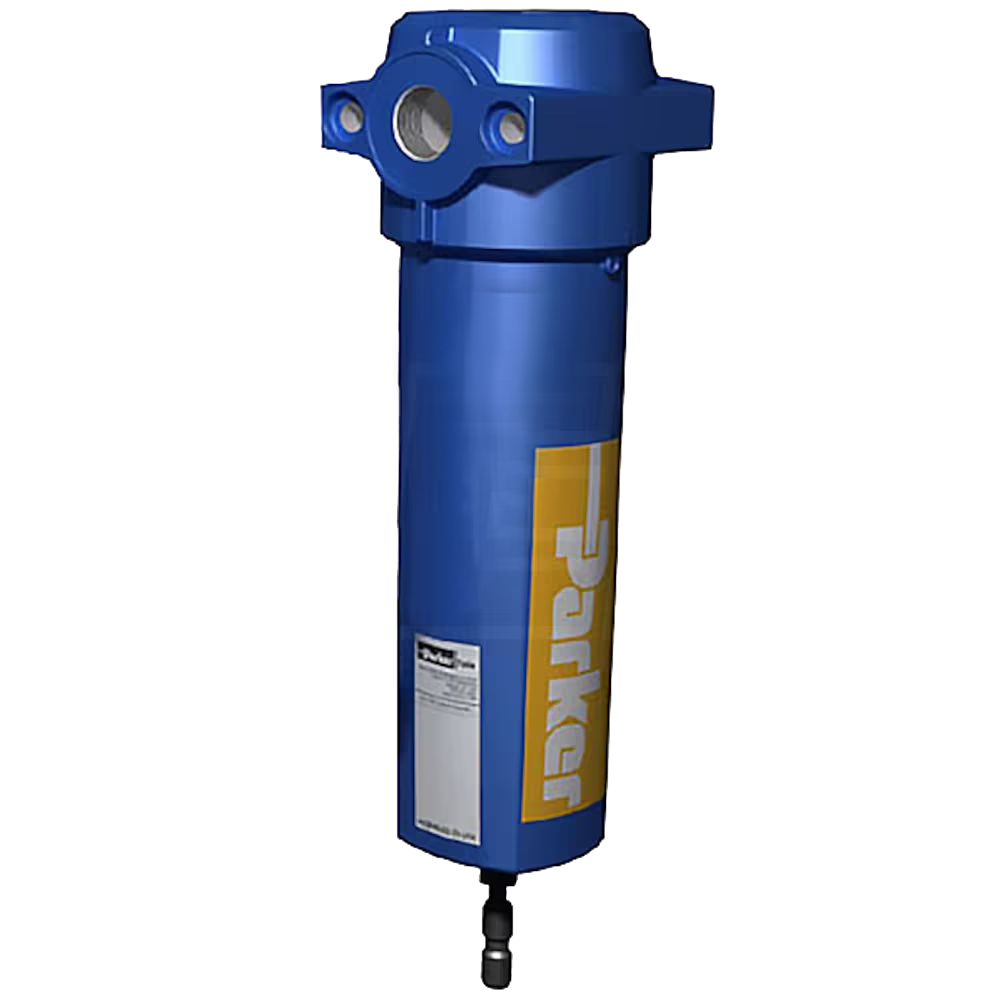
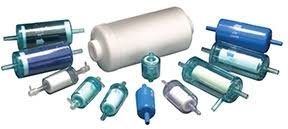
Balston, a Parker brand, manufactures filtration and gas-management equipment for compressed air, analytical gases and critical process utilities. Its filters, dryers and gas generators help deliver clean, dry streams that protect instruments, products and production equipment.
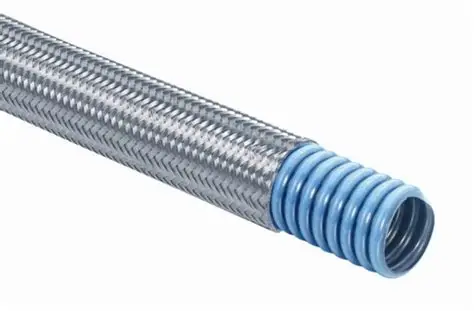
Saint-Gobain provides high-performance tubing, hose and fluid-transfer components for sanitary, biopharmaceutical and industrial applications. Its fluoropolymer, silicone and engineered-material products support clean, compatible and reliable movement of sensitive or corrosive fluids.
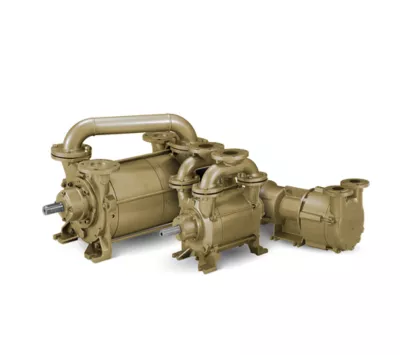
DEKKER Vacuum Technologies manufactures industrial vacuum pumps and engineered systems for process, packaging and plant-utility applications. Its liquid-ring, dry-claw, rotary-vane and rotary-piston technologies can be supplied as individual pumps or complete packaged systems.
Quickdraft designs Venturi exhaust and pneumatic-conveying systems for removing air, fumes, trim and lightweight materials from industrial processes. Its no-moving-parts exhausters help reduce maintenance while keeping blowers and rotating equipment outside the contaminated airstream.
PLAN THE NEXT STEP
Production, startup, cleaning and changeover can place different demands on the same equipment.
A heater, mixer, cleaning skid or vacuum package needs compatible connections to the plant. Clarifying the boundaries early helps avoid a proposal that meets an isolated equipment duty but leaves essential integration questions unanswered.
Compare how each option performs during normal production, startup, cleaning and product changeover. Ask what assumptions drive the selection and which must be confirmed through testing or manufacturer review. Fluid Flow can help bring the process description, manufacturer information and project constraints into the same discussion.
USEFUL ANSWERS
Those inputs are not enough. Product behavior, impeller design, shear, circulation and ingredient addition influence the result. Manufacturer testing and scale-up review can establish which operating conditions need to be preserved.
Provide the medium being heated, starting and target temperatures, production rate or batch size, required heat-up time and available utilities. Existing heat-transfer surfaces and thermal-fluid condition also matter for an upgrade.
Include the equipment to be cleaned, residue, cleaning circuit, available utilities and your cleaning acceptance criteria. Supply and return requirements, chemistry and control needs should be defined with the process and quality teams.
PRODUCT LITERATURE
Use the manufacturer literature alongside your application requirements. Your local team can help identify the next information needed.
CONNECTED APPLICATIONS
Process-heating requirements can include boilers and thermal-fluid heaters. Gas-generation and dehydration duties should be reviewed with the gas quality, flow, pressure and utility requirements defined.
APPLICATION SUPPORT
Share a process sketch, current operating conditions and the result you need. Fluid Flow can help identify equipment options and the questions that need manufacturer review.